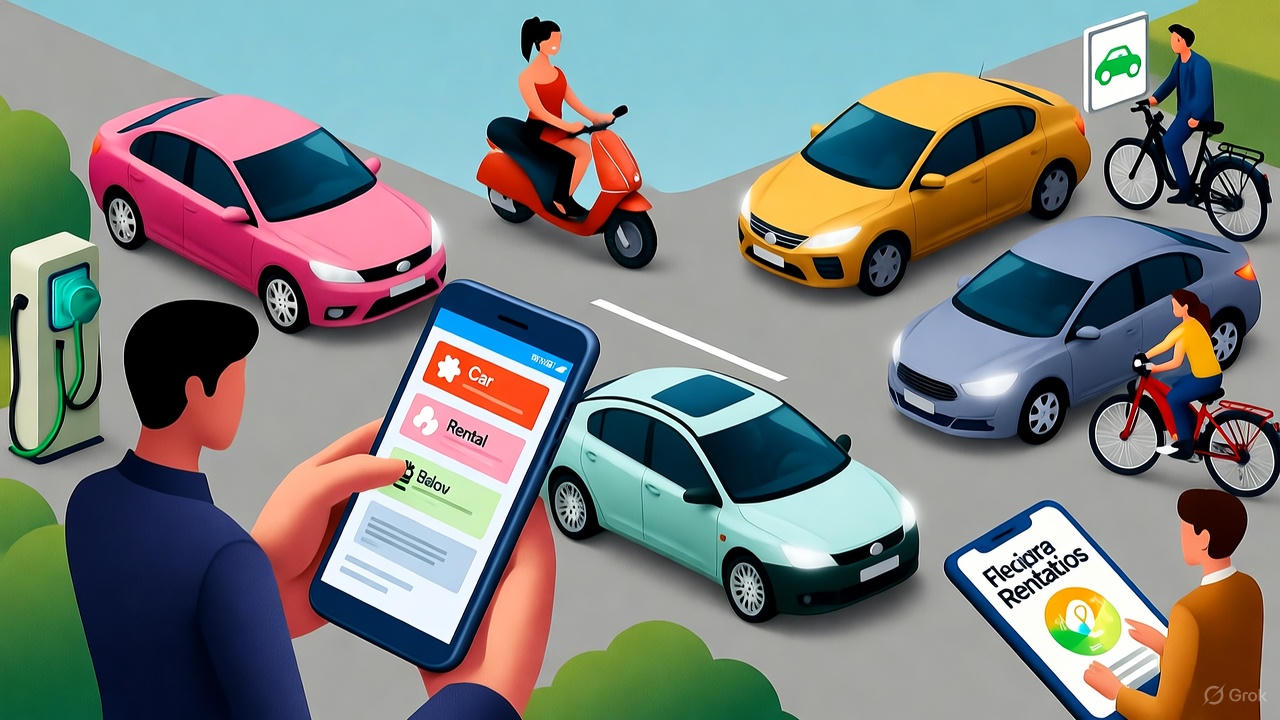
The Rise of Car Rentals: Why Ownership Is Becoming Optional
Getting from one place to another looks very different these days. More people do not own cars but choose ways that save money, offer freedom, and simplify life. The old habit of having your own car is fading as shared rides, rentals, and monthly plans take over. This change happens because of new technology, lifestyles, and a push to protect the environment. Curious about smarter ways to travel? Keep reading and find out how these choices could transform your trips in surprising ways.
As urban areas become more congested and vehicle costs rise, it is no surprise that many are reevaluating whether owning a car makes sense for their lifestyle. Instead, borrowing or renting has become a practical and attractive option. This trend not only influences individual choices but also impacts the automotive industry, urban planning, and the environment at large. In this post, we will explore why ownership is becoming optional and what this means for the future of transportation.
Understanding the Growth of Car Rental Services
The Evolution of Car Rental Industry
Car rental services have been around for decades, primarily catering to travelers and those needing temporary transportation. However, in recent years, the industry has expanded beyond traditional rental agencies. Companies like Zipcar, Turo, and Getaround now enable everyday users to rent cars for short-term needs through digital platforms.
This evolution has been driven by advancements in technology, making it easier to book a vehicle instantly via apps and websites. As a result, booking a car when needed has become seamless, offering an alternative to ownership that appeals to a broader demographic. The convenience of picking up a car at a specified location, using it for as long as necessary, then returning it, fits well with modern, on-demand lifestyles.
The Financial Benefits of Renting Instead of Owning
Cost Savings and Budget Flexibility
Owning a vehicle involves numerous expenses, including the initial purchase price, financing costs, insurance, maintenance, repairs, and depreciation. For many, these costs add up quickly, making ownership less attractive. On the other hand, renting or subscribing allows for predictable, often lower monthly expenses without the burdens of maintenance or depreciation.
- No large upfront investments: Renting eliminates the need for a hefty down payment or car loan.
- Lower maintenance costs: Maintenance is usually included in rental fees, reducing unexpected expenses.
- Flexibility: Renters can choose different vehicle types based on their needs without long-term commitments.
According to industry reports, the average car ownership cost in many countries exceeds $9,000 annually. In contrast, short-term rentals or subscriptions can cost a fraction of that, making them appealing especially for urban dwellers or those with irregular driving needs.
Environmental Impact and Sustainability Considerations
Reducing Carbon Footprint Through Shared Mobility
The shift away from owning multiple vehicles supports efforts to lower overall emissions. Fewer vehicles on the road mean less congestion, reduced greenhouse gas emissions, and decreased demand for new car production, which consumes significant resources.
Many rental companies and car-sharing services offer electric and hybrid vehicles, giving consumers access to cleaner transportation options. Furthermore, rental-based models promote shared use, ensuring vehicles are utilized more efficiently than in private ownership. This trend aligns with global goals of reducing carbon footprints and creating more sustainable cities.
Technological Innovations Powering the Transition
Digital Platforms and Mobile Apps
Technology has been instrumental in making car rentals more accessible. With smartphone apps, users can reserve a vehicle within minutes, unlock it remotely, and complete transactions without visiting rental offices. Intelligent GPS, contactless payments, and user-friendly interfaces have transformed the experience into something akin to hailing a ride-share service.
Integration with Smart City Infrastructure
In smart cities, integrated transportation systems facilitate seamless switching between modes of travel, including public transit, bikes, and rental cars. Real-time data sharing optimizes vehicle distribution and availability, encouraging people to choose rentals over ownership for specific trips.
The Rise of Subscription Models and Mobility-as-a-Service
Beyond short-term renting, subscription services offer a flexible vehicle experience, allowing users to switch between different car types monthly or even weekly. Companies like Mobility as a Service providers enable customers to access a variety of vehicles through a single subscription, removing the hassles of ownership and long-term commitments.
- Flexible plans: Switch from compact cars to SUVs based on needs.
- All-inclusive pricing: Cover insurance, maintenance, and roadside assistance in one fee.
This approach appeals to urban residents who prefer low-maintenance transportation options and to anyone seeking versatility without the financial risks of ownership.
Changing Consumer Attitudes Towards Vehicle Ownership
Shifting Lifestyle Preferences
Young generations, particularly Millennials and Generation Z, tend to prioritize experiences over possessions. They are more open to sharing economy concepts and are less interested in the long-term commitments associated with car ownership. For many, owning a car is seen as an unnecessary expense when convenient rental and ride-hailing options exist.
Urbanization and Space Constraints
As more people migrate to cities, space for parking and vehicle storage becomes limited. Renting vehicles on demand alleviates the need for personal parking spots, freeing up urban space for other uses. This trend supports city planning efforts aimed at reducing congestion and promoting more livable environments.
Future Outlook and Opportunities in the Mobility Market
The move toward optional vehicle ownership is expected to accelerate as technology, environmental concerns, and lifestyle preferences evolve further. Companies investing in electric and autonomous vehicles, along with digital connectivity, will continue to shape the future transportation landscape.
For consumers, embracing rental options offers a flexible, economical, and environmentally responsible approach to mobility. For industry players, innovating within the rental and subscription sectors presents opportunities to expand their customer base and adapt to changing demands.
Conclusion
Ownership of a vehicle is no longer a necessity for many people. The growth of car rental services and mobility solutions demonstrates a clear shift in how society approaches personal transportation. Benefits like lower costs, environmental advantages, and lifestyle flexibility make opting out of ownership a compelling choice for a broad demographic.
As urban areas continue to grow and technology improves, expect to see more innovative mobility options emerge. Whether you are a city dweller seeking convenience, a traveler needing flexibility, or someone committed to sustainability, exploring rental solutions can be highly beneficial. Embracing this change requires reassessing traditional views on vehicle ownership and recognizing the advantages of choosing mobility options that suit your current needs.
Ready to experience a new way of traveling? Consider trying out a rental service or subscription plan and discover how this approach can fit into your lifestyle. As the landscape evolves, those who adapt early will enjoy the freedom, savings, and sustainability that optional vehicle use provides.


